Hindu God Avatarsहिंदू देवी-देवताओं के अवतार
What Are Hindu God Avatars?
Hindu God Avatars are the divine forms in which the Supreme descends into our world to restore dharma and bless devotees. An avatar (अवतार) is a deliberate descent of the divine. Across the Hindu tradition the one Supreme is worshipped through countless avatars and forms. This guide gathers the most beloved Hindu God Avatars by family: the ten avatars of Vishnu, the forms of Shiva, and the many forms of the Goddess (Devi), with the meaning of each in English and Hindi.
Vishnu Avatars: The Dashavatar
The Dashavatar (दशावतार) are the ten principal avatars of Lord Vishnu, who descends in every age to protect the good and restore righteousness.
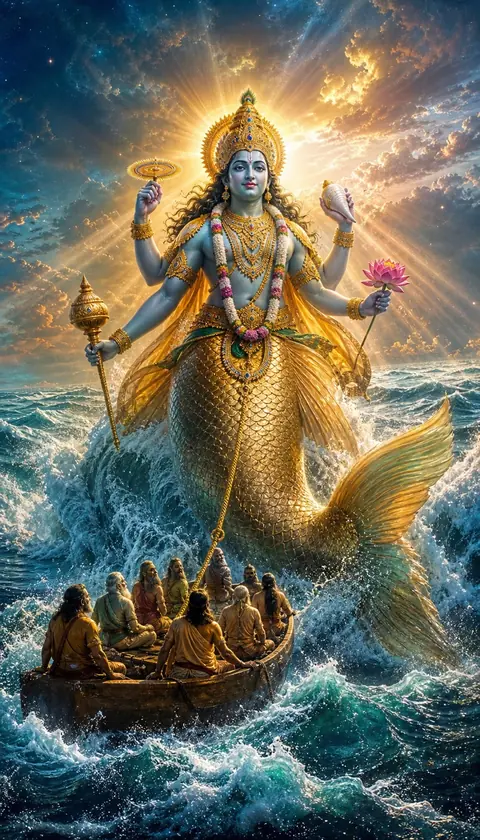 The fish who saved the Vedas and Manu from the great deluge.Read the story →
The fish who saved the Vedas and Manu from the great deluge.
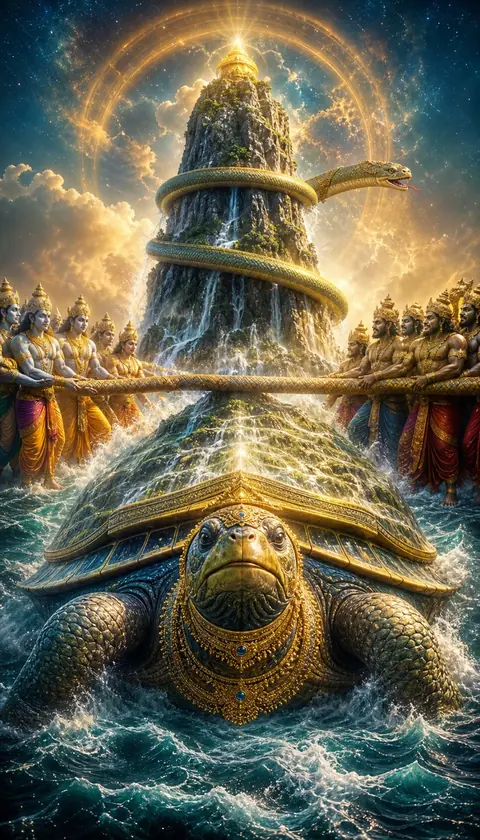 The tortoise who upheld Mount Mandara during the churning of the ocean.Read the story →
The tortoise who upheld Mount Mandara during the churning of the ocean.
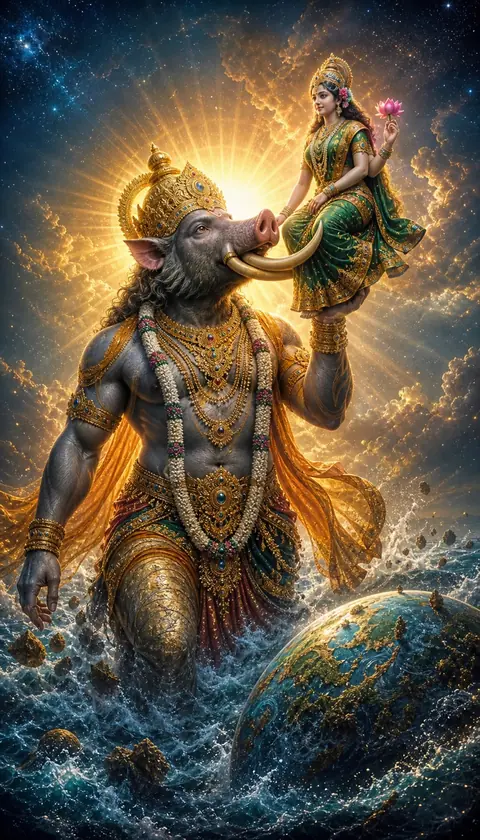 The boar who lifted the Earth from the cosmic waters.Read the story →
The boar who lifted the Earth from the cosmic waters.
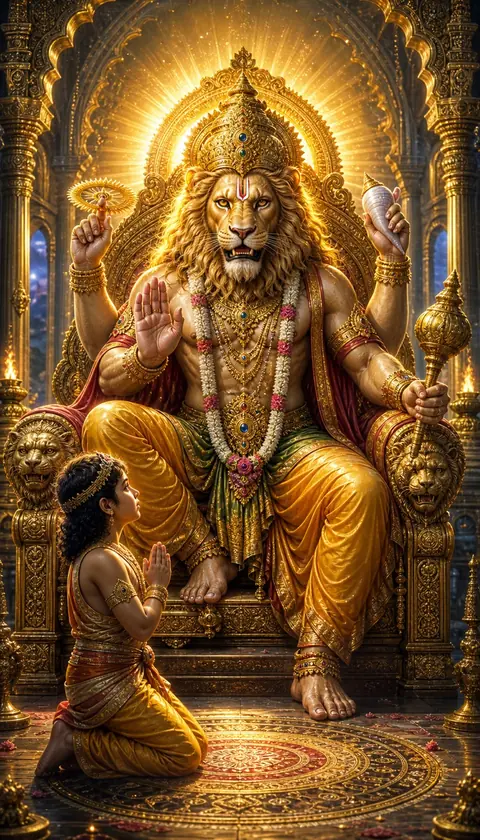 The man-lion who slew Hiranyakashipu to protect the devotee Prahlad.Read the story →
The man-lion who slew Hiranyakashipu to protect the devotee Prahlad.
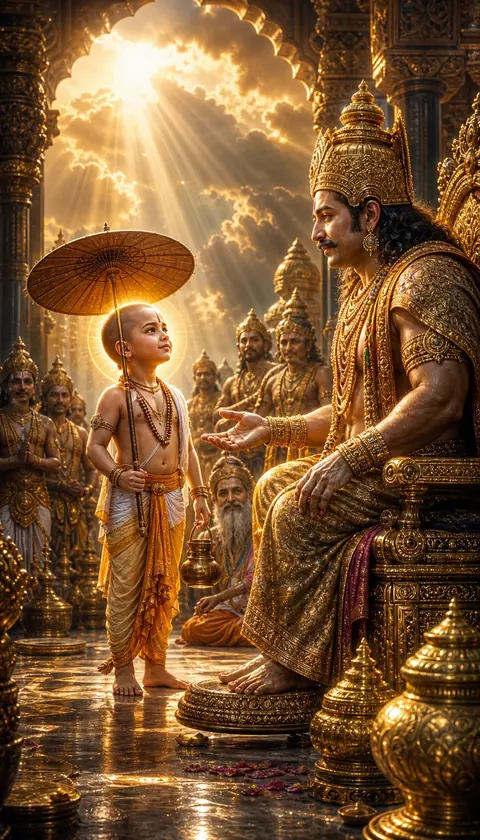 The dwarf Brahmin who measured the universe in three steps before King Bali.Read the story →
The dwarf Brahmin who measured the universe in three steps before King Bali.
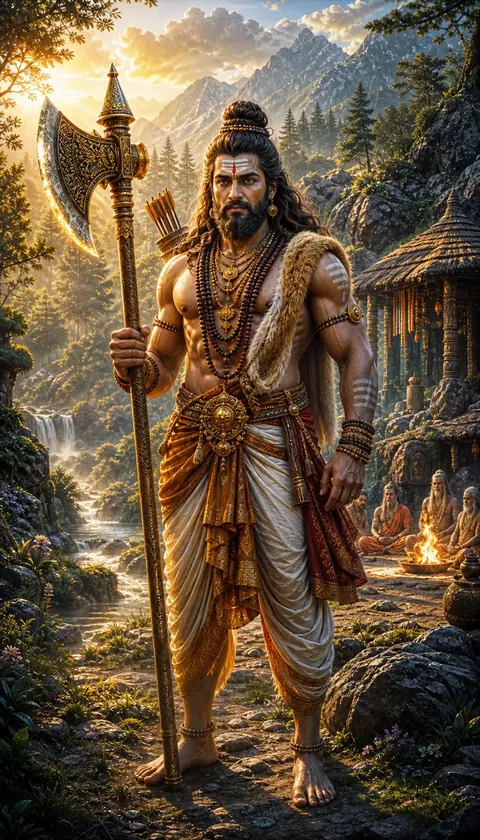 The warrior-sage with the axe who restored dharma among kings.Read the story →
The warrior-sage with the axe who restored dharma among kings.
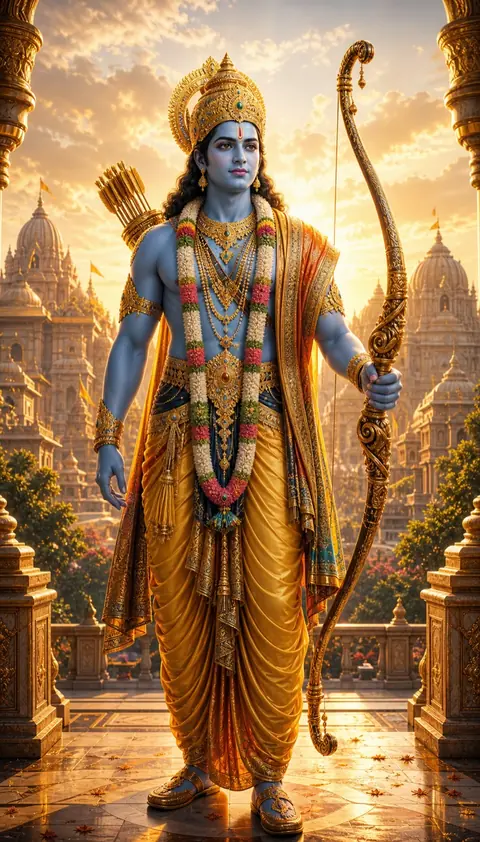 The prince of Ayodhya, Maryada Purushottam, hero of the Ramayana.Read the story →
The prince of Ayodhya, Maryada Purushottam, hero of the Ramayana.
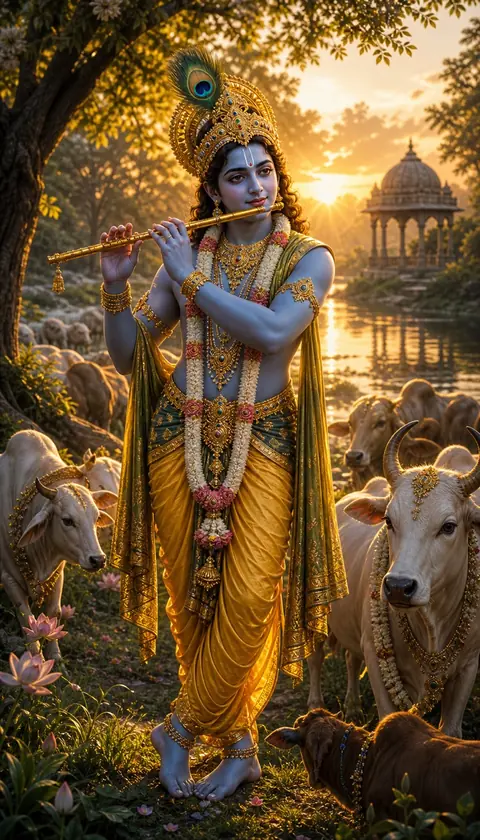 The cowherd prince and divine teacher of the Bhagavad Gita.Read the story →
The cowherd prince and divine teacher of the Bhagavad Gita.
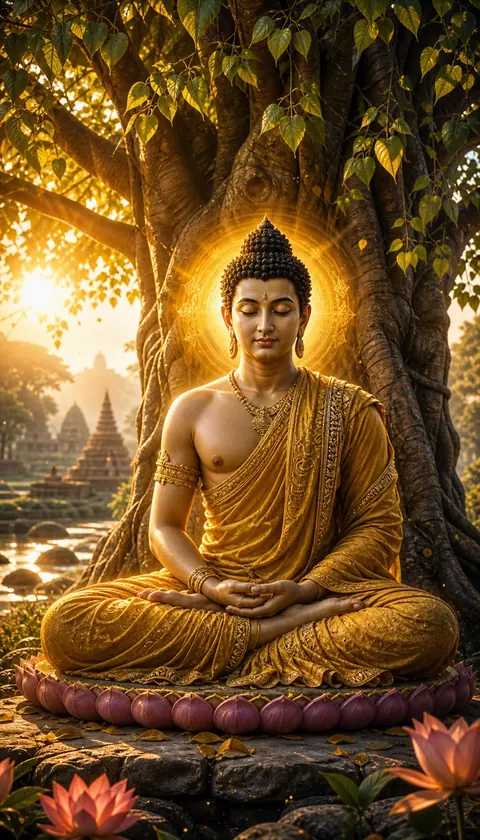 The enlightened one who taught compassion and non-violence.Read the story →
The enlightened one who taught compassion and non-violence.
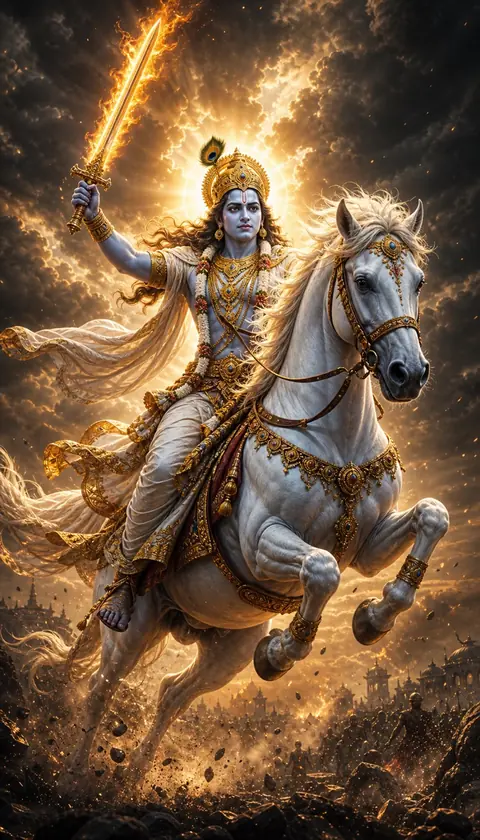 The avatar yet to come, who will end the age of Kali.Read the story →
The avatar yet to come, who will end the age of Kali.
Vishnu is also adored in many other forms, including Venkateshwara (Balaji), Jagannath, Vithoba, Hayagriva, Mohini, and Lakshmi Narayan.
Shiva: Forms and Avatars
Shiva is worshipped as the formless absolute, Sadashiva, yet appears to devotees in many forms. Tradition (the Shiva Purana) also describes the Rudra avatars, of which Hanuman is counted as the eleventh.
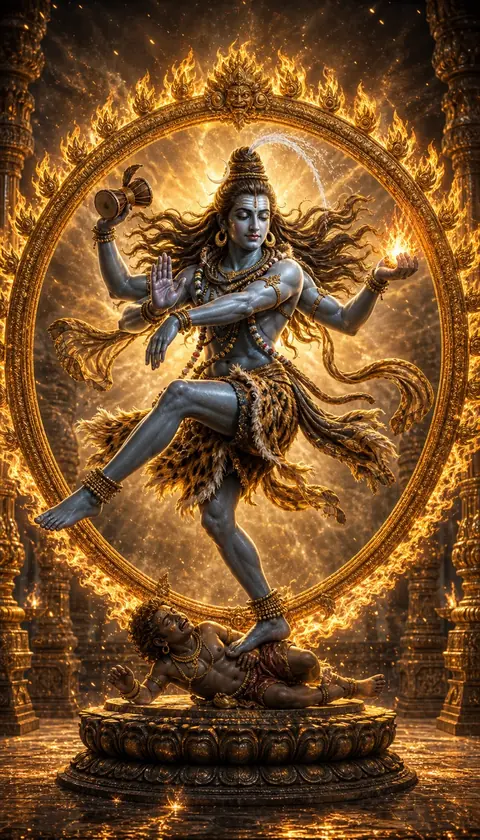 Lord of the cosmic dance of creation and dissolution.Read the story →
Lord of the cosmic dance of creation and dissolution.
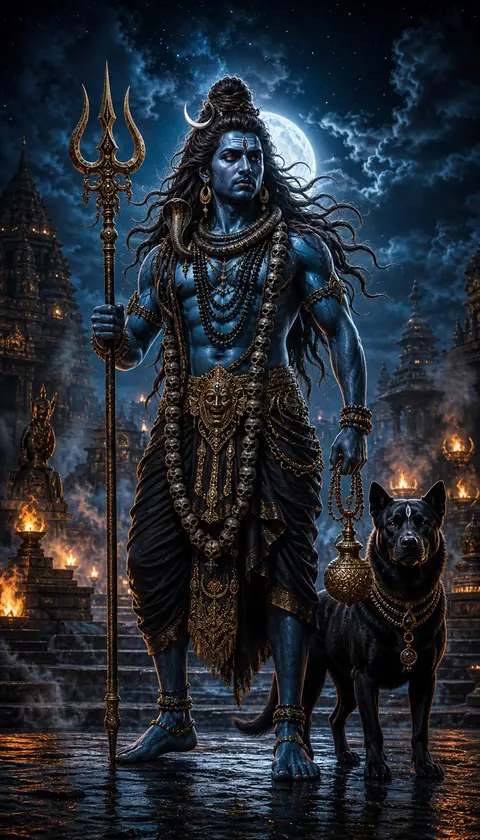 The fierce, protective form, guardian of time and space.Read the story →
The fierce, protective form, guardian of time and space.
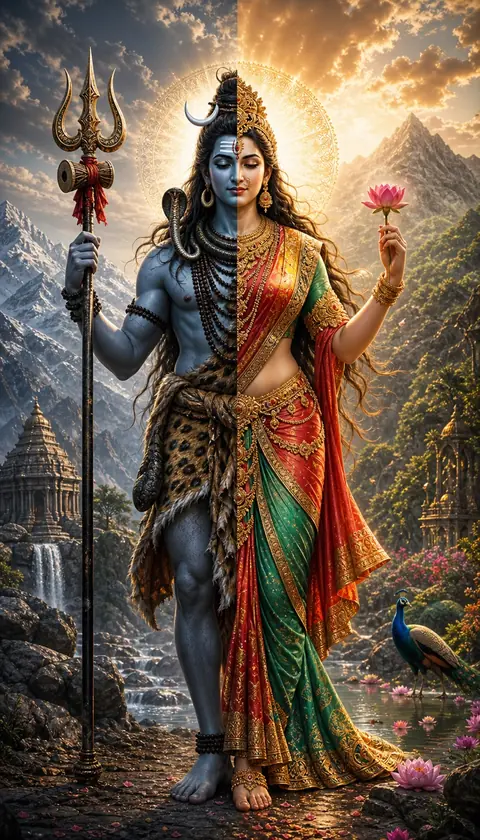 Half Shiva and half Parvati, the union of the masculine and feminine.Read the story →
Half Shiva and half Parvati, the union of the masculine and feminine.
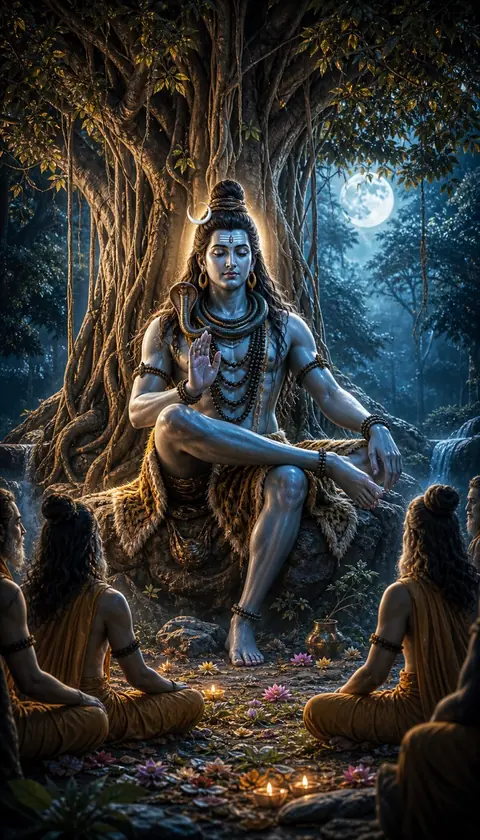 Shiva as the silent guru, teacher of yoga and knowledge.Read the story →
Shiva as the silent guru, teacher of yoga and knowledge.
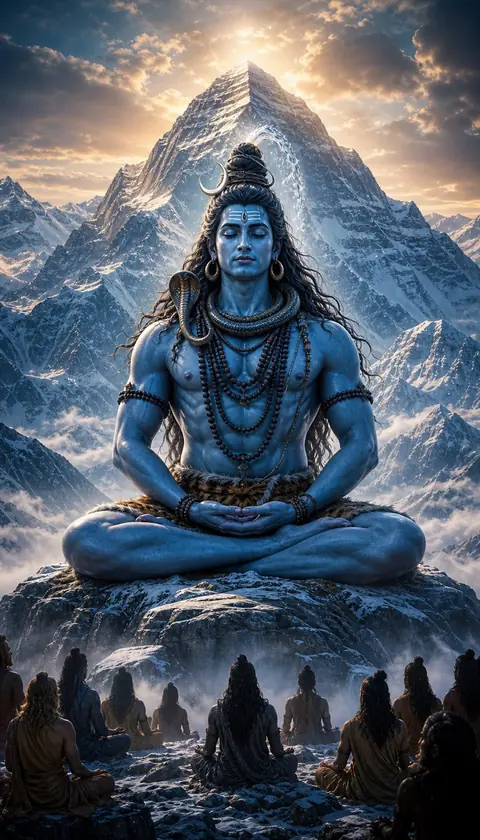 The first yogi, the source of yoga and inner science.Read the story →
The first yogi, the source of yoga and inner science.
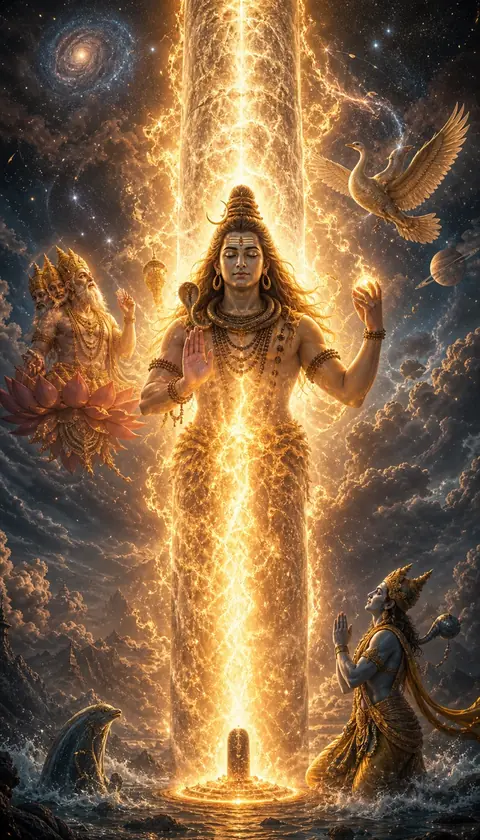 Shiva appearing as the infinite pillar of light, the Jyotirlinga.Read the story →
Shiva appearing as the infinite pillar of light, the Jyotirlinga.
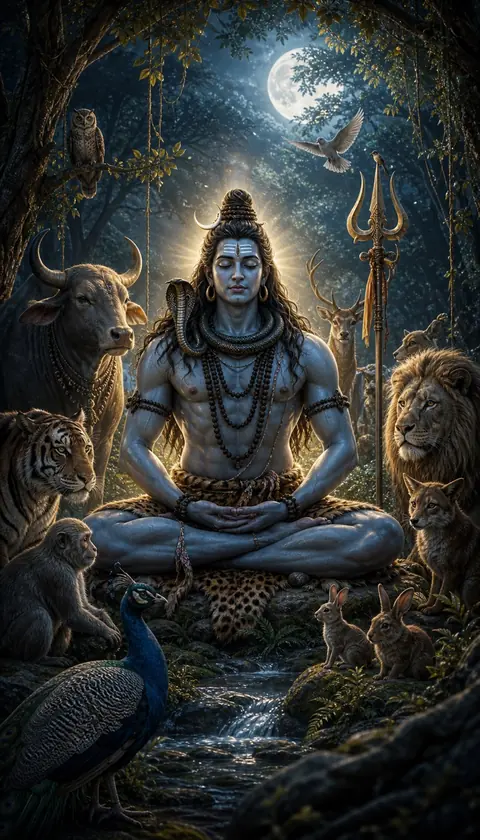 Lord of all beings, an ancient and beloved form of Shiva.Read the story →
Lord of all beings, an ancient and beloved form of Shiva.
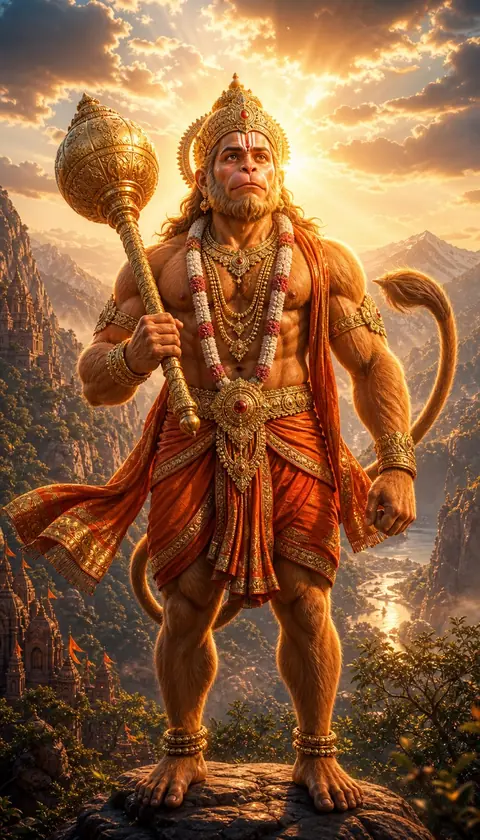 Revered in tradition as the eleventh Rudra avatar of Shiva.Read the story →
Revered in tradition as the eleventh Rudra avatar of Shiva.
Ganesha and Hanuman
Among the most beloved and widely worshipped of all, Lord Ganesha, the remover of obstacles invoked before every beginning, and Lord Hanuman, the fearless devotee, are honoured in many cherished forms.
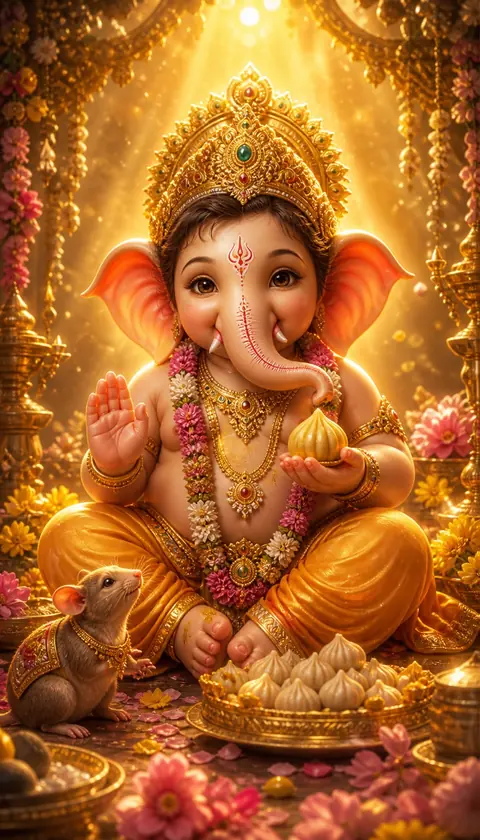 The beloved child form of Lord Ganesha.Read the story →
The beloved child form of Lord Ganesha.
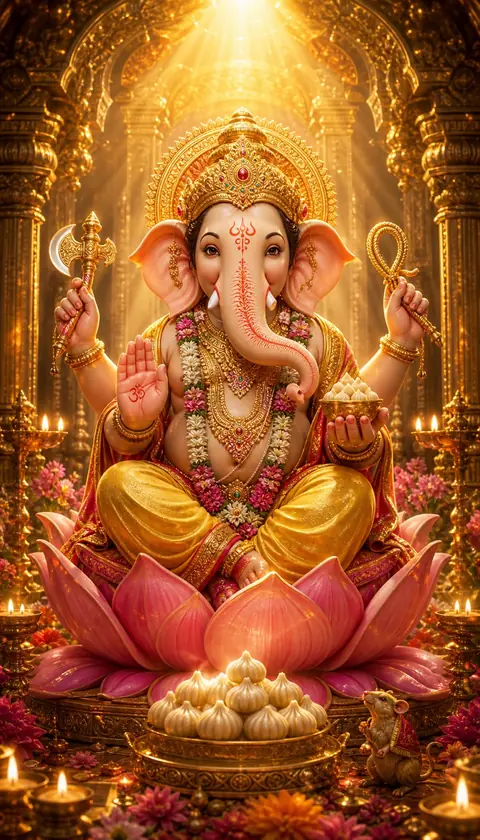 Ganesha as the remover of all obstacles.Read the story →
Ganesha as the remover of all obstacles.
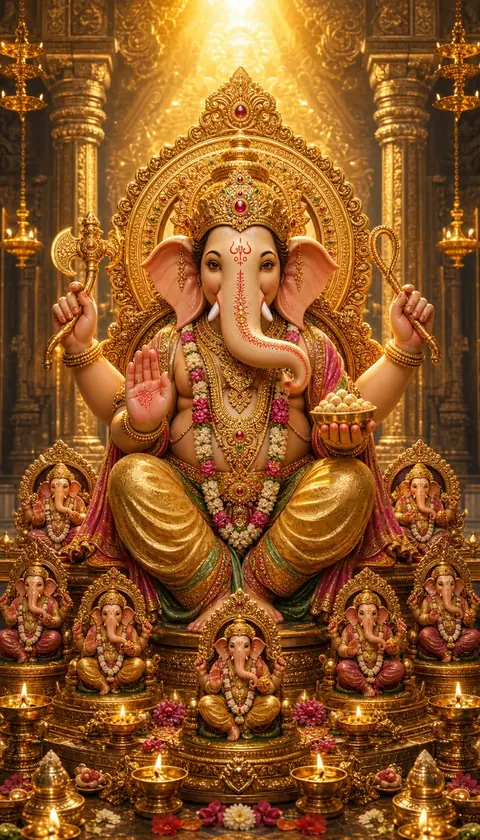 The eight revered self-manifested shrines of Ganesha.Read the story →
The eight revered self-manifested shrines of Ganesha.
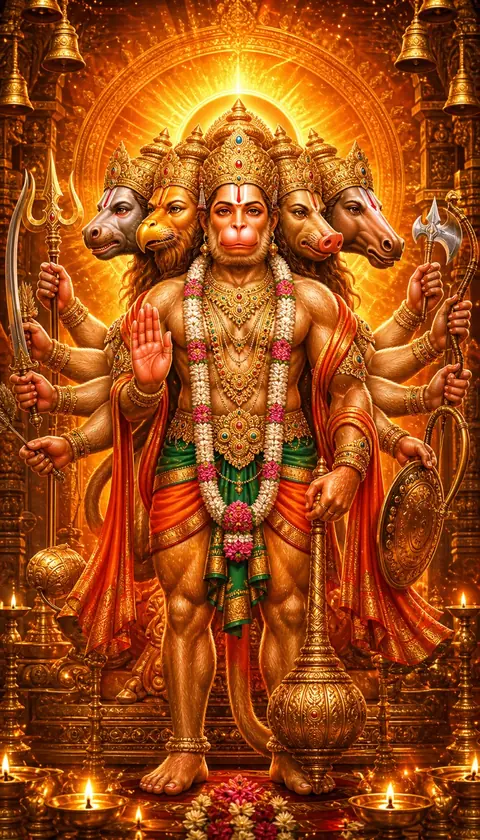 The five-faced form of Hanuman, protector from all directions.Read the story →
The five-faced form of Hanuman, protector from all directions.
Devi (Shakti): Forms and Avatars
The Mother Goddess, Adi Shakti, manifests as the three great goddesses and as many fierce and gentle forms worshipped across India.
Tridevi
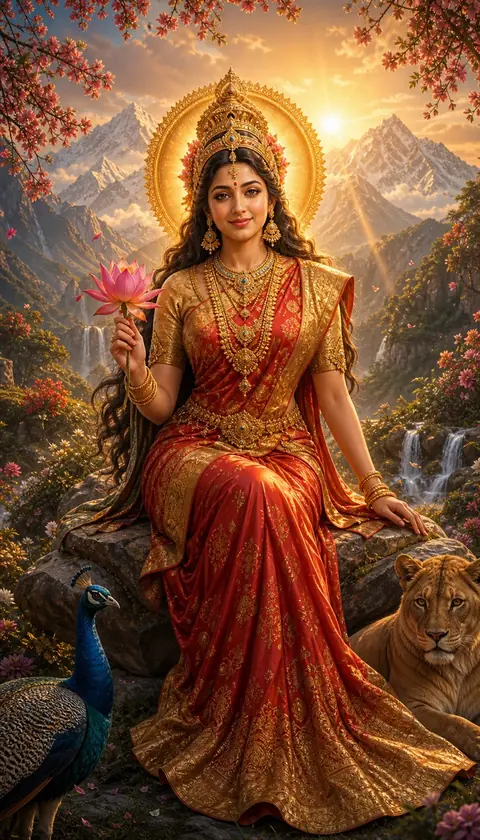 The gentle mother goddess, consort of Shiva and source of Shakti.Read the story →
The gentle mother goddess, consort of Shiva and source of Shakti.
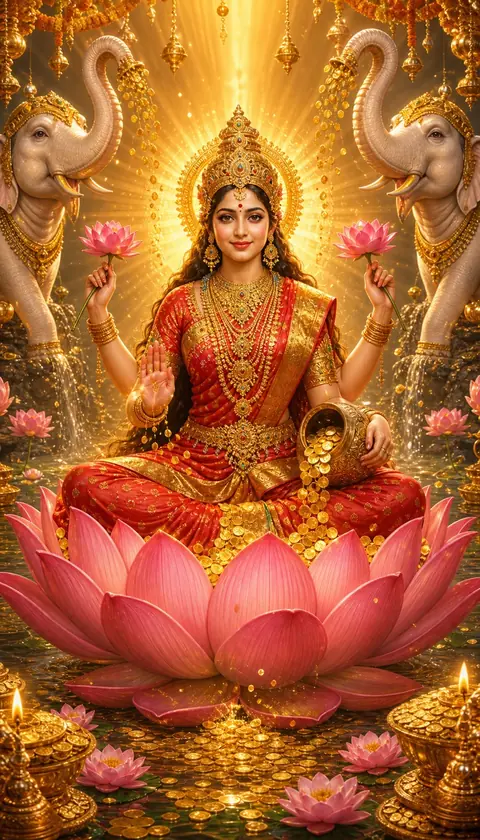 Goddess of wealth, fortune, and abundance.Read the story →
Goddess of wealth, fortune, and abundance.
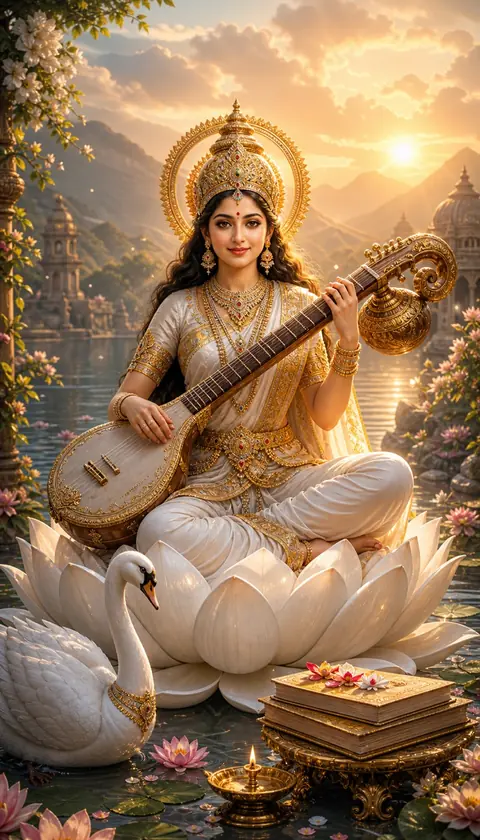 Goddess of knowledge, music, and the arts.Read the story →
Goddess of knowledge, music, and the arts.
Navadurga, the nine forms of Navratri
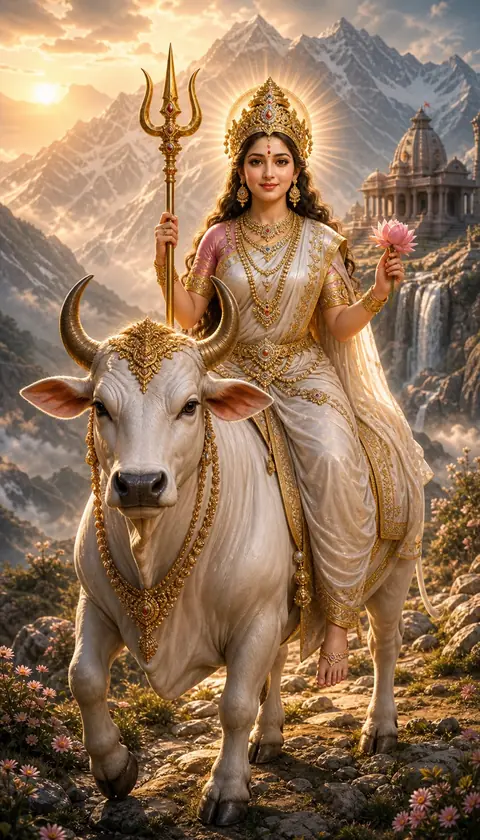 The daughter of the mountains, worshipped on the first day of Navratri.Read the story →
The daughter of the mountains, worshipped on the first day of Navratri.
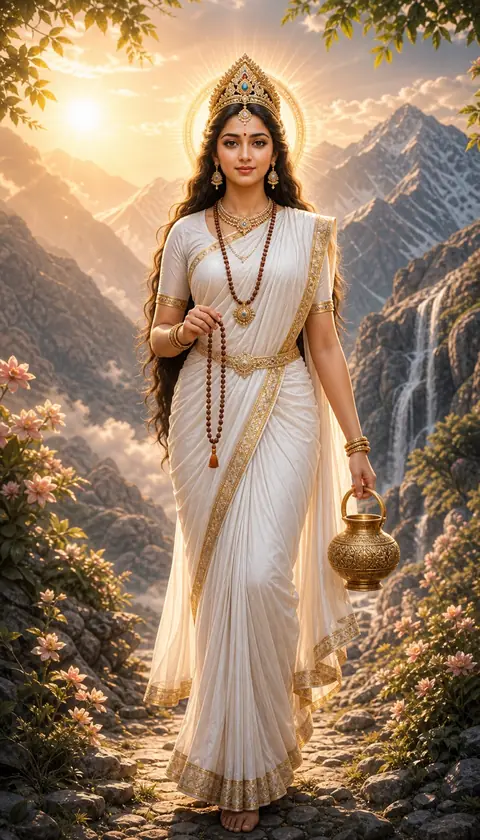 The devoted ascetic of penance, worshipped on the second day.Read the story →
The devoted ascetic of penance, worshipped on the second day.
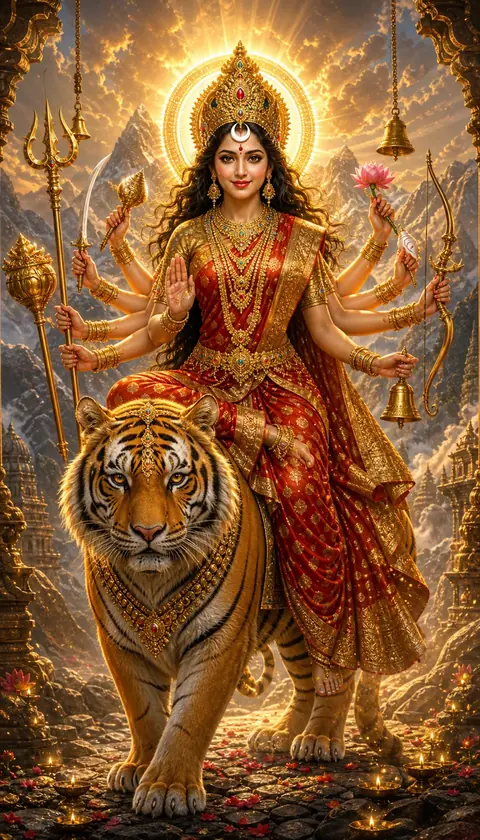 The valiant tiger-riding goddess with the crescent-moon bell.Read the story →
The valiant tiger-riding goddess with the crescent-moon bell.
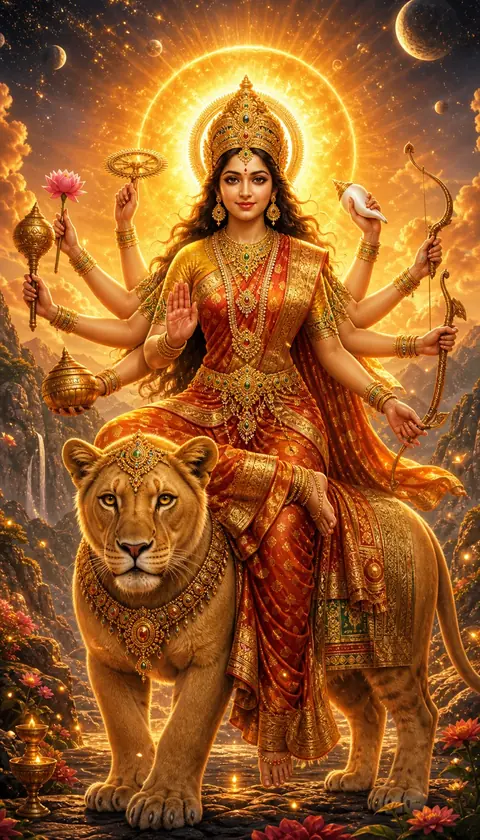 The radiant goddess whose smile brought forth the cosmos.Read the story →
The radiant goddess whose smile brought forth the cosmos.
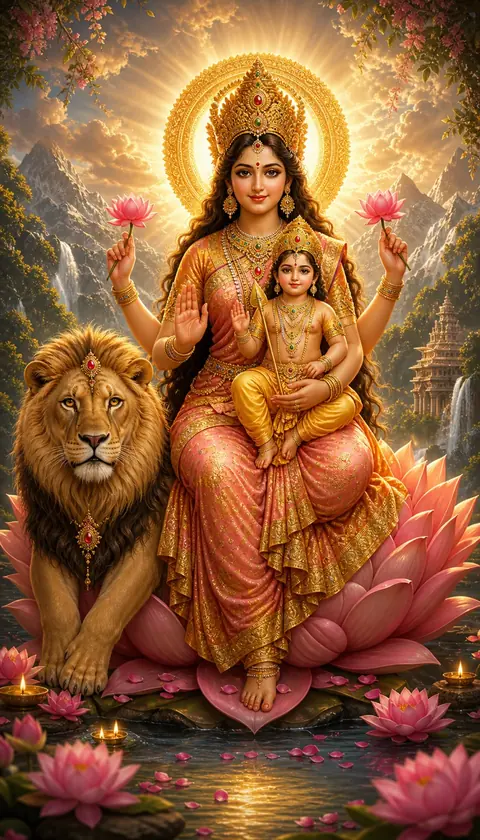 The loving mother of Lord Kartikeya, Skanda.Read the story →
The loving mother of Lord Kartikeya, Skanda.
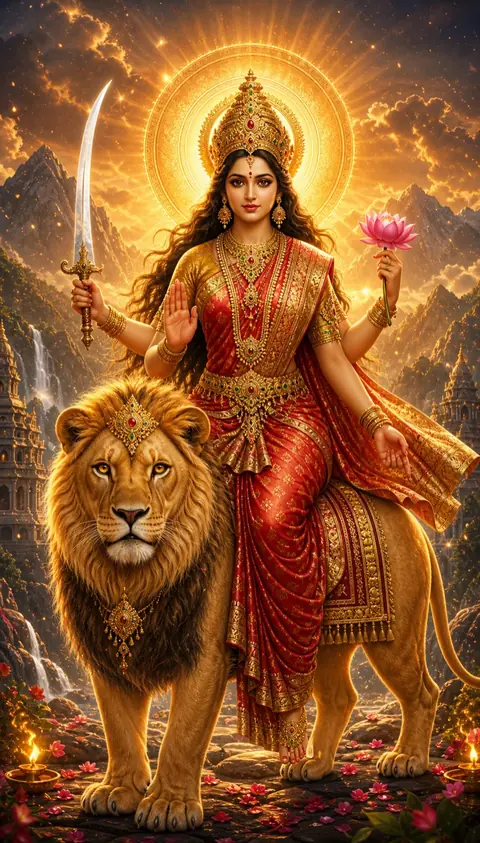 The fierce warrior goddess who slew the demon Mahishasura.Read the story →
The fierce warrior goddess who slew the demon Mahishasura.
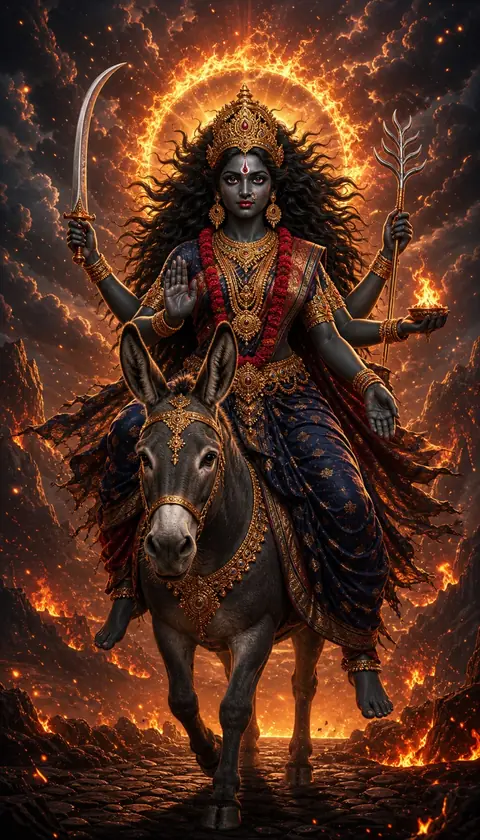 The fearless dark goddess who destroys all fear and evil.Read the story →
The fearless dark goddess who destroys all fear and evil.
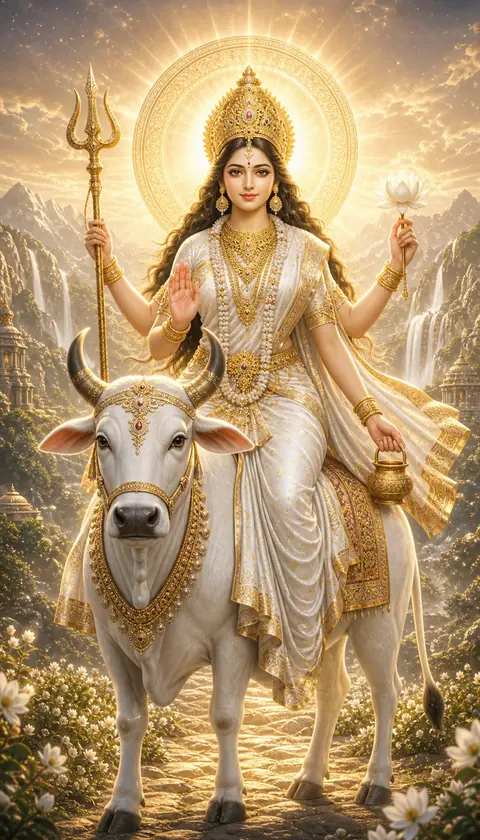 The radiant pure-white goddess of peace and forgiveness.Read the story →
The radiant pure-white goddess of peace and forgiveness.
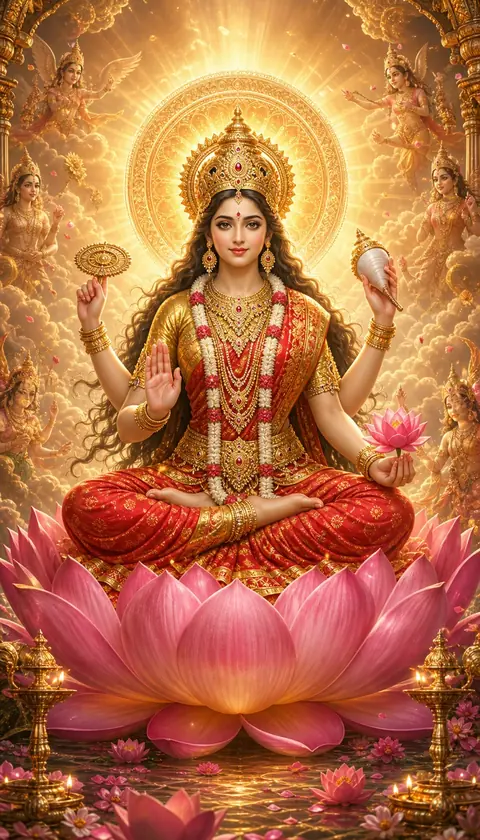 The giver of all perfections, worshipped on the final day.Read the story →
The giver of all perfections, worshipped on the final day.
The ten Mahavidyas (wisdom goddesses)
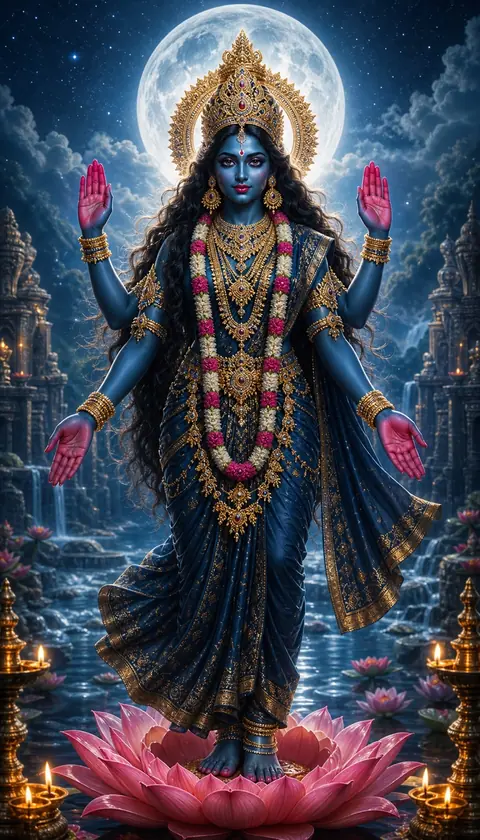 The fierce mother of time and dissolution, foremost Mahavidya.Read the story →
The fierce mother of time and dissolution, foremost Mahavidya.
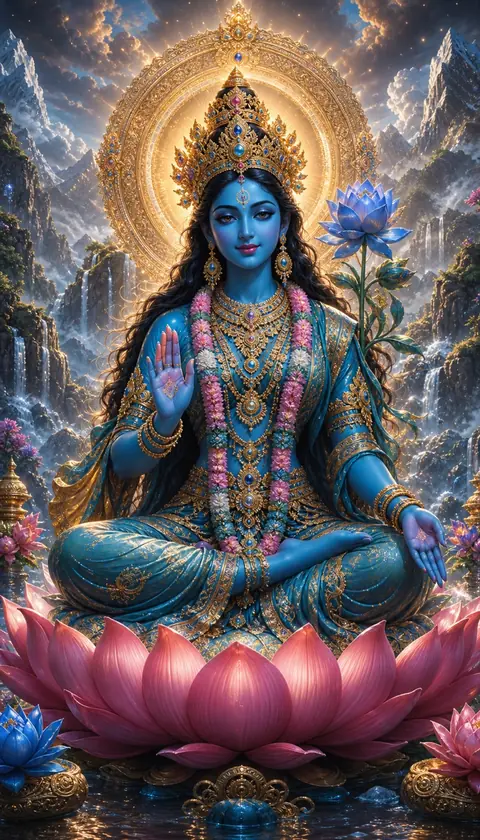 The compassionate saviouress who carries the soul across.Read the story →
The compassionate saviouress who carries the soul across.
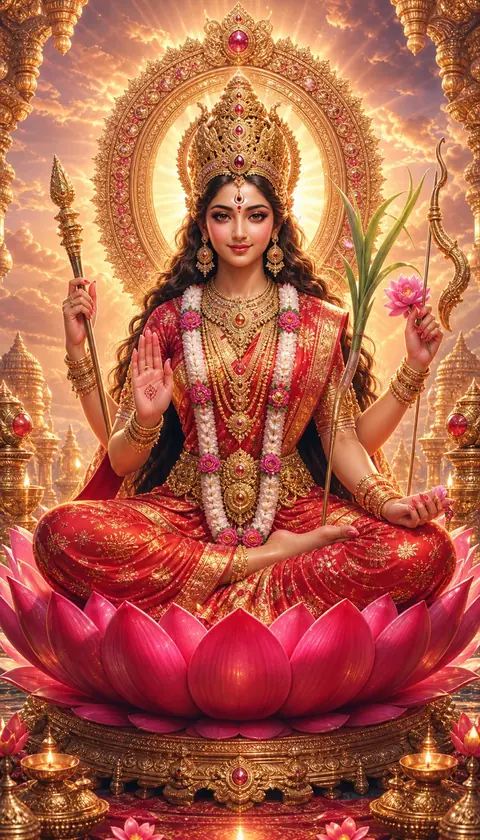 The supremely beautiful goddess of the three worlds, Lalita.Read the story →
The supremely beautiful goddess of the three worlds, Lalita.
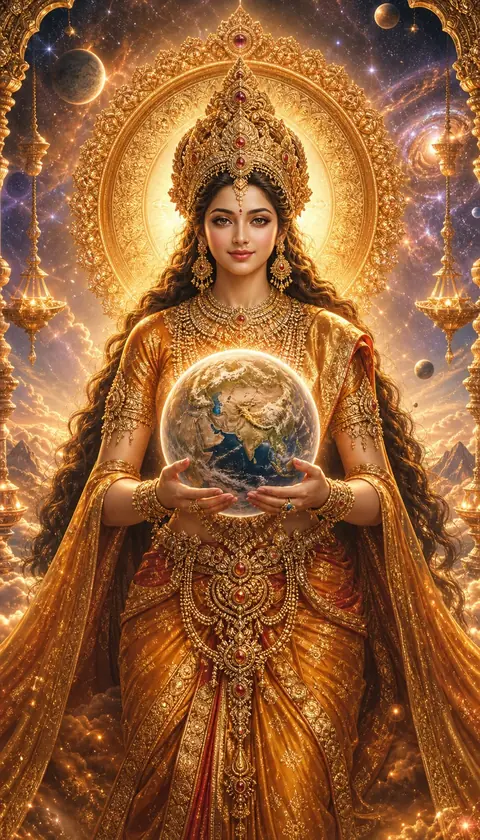 The queen and mother of all the worlds.Read the story →
The queen and mother of all the worlds.
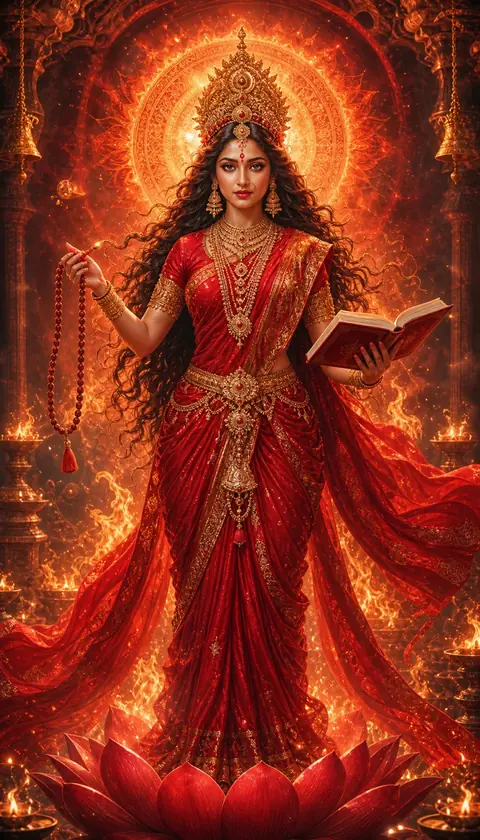 The fierce goddess of tapas and spiritual fire.Read the story →
The fierce goddess of tapas and spiritual fire.
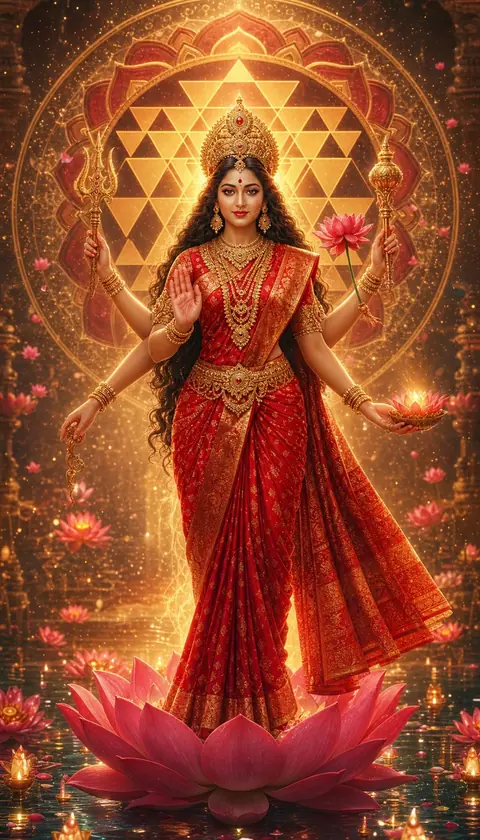 The self-offering goddess of life, death and renewal.Read the story →
The self-offering goddess of life, death and renewal.
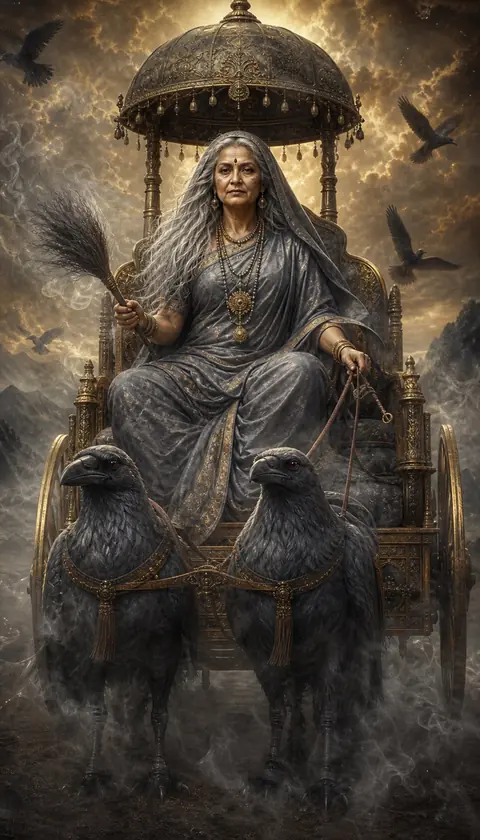 The goddess of the void, detachment and the wisdom beyond form.Read the story →
The goddess of the void, detachment and the wisdom beyond form.
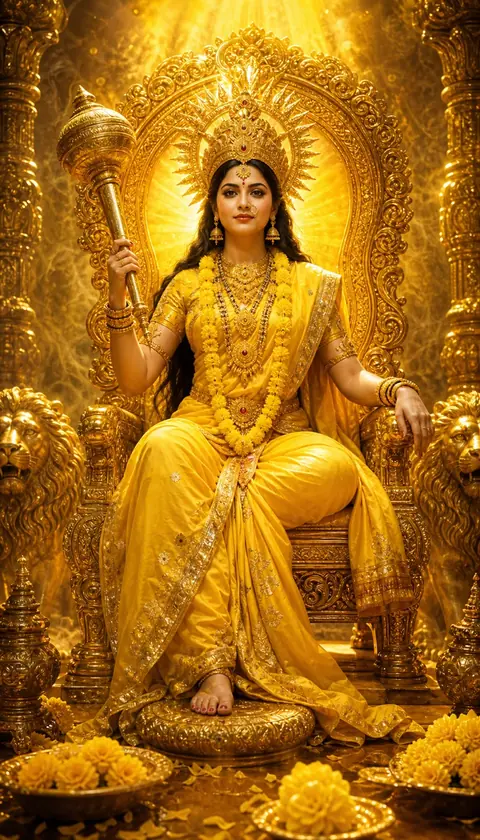 The golden goddess who stills all opposing forces.Read the story →
The golden goddess who stills all opposing forces.
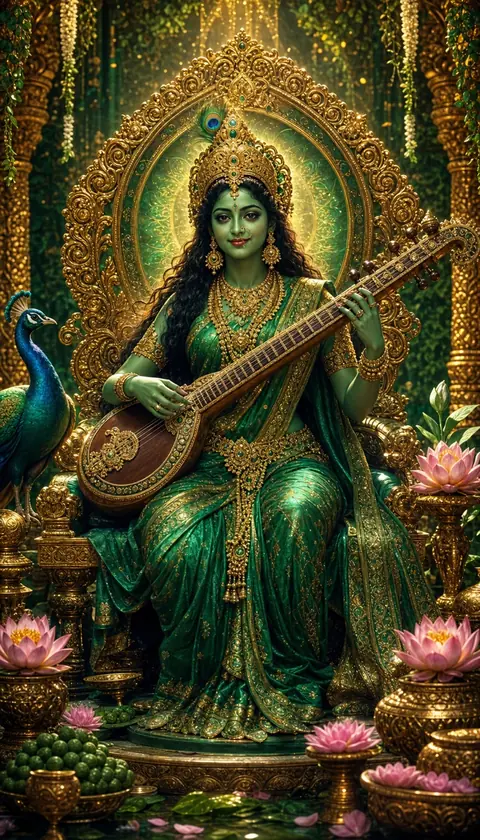 The goddess of speech and music, the Tantric Saraswati.Read the story →
The goddess of speech and music, the Tantric Saraswati.
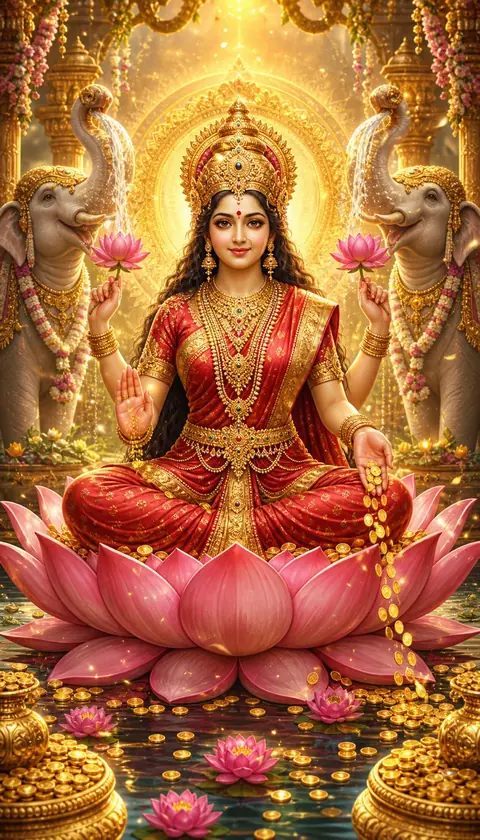 The lotus goddess of abundance, the Tantric Lakshmi.Read the story →
The lotus goddess of abundance, the Tantric Lakshmi.
Other beloved forms of the Goddess include Durga, Kali, Maa Vaishno Devi, Annapurna, and Gauri.
Hindu God Avatars: Frequently Asked Questions
What is an avatar in Hinduism?
An avatar (avatara) is a deliberate descent of the divine into the world, taken to restore dharma, defeat evil, and grace devotees.
How many avatars does Vishnu have?
Most commonly ten, the Dashavatar, from Matsya to Kalki. Some texts list twenty-four avatars, and others say the forms of the Lord are innumerable.
Does Shiva have avatars?
Shiva is worshipped as the formless Sadashiva, but appears in many forms such as Nataraja, Bhairava, and Ardhanarishvara, and tradition describes the Rudra avatars, including Hanuman as the eleventh.
What are the Navadurga and the Mahavidyas?
The Navadurga are the nine forms of Goddess Durga worshipped over the nine nights of Navratri. The Mahavidyas are the ten wisdom goddesses of the Shakta tradition, from Kali to Kamala.
See each deity in our Hindu God Images gallery, check today’s Aaj Ka Panchang, or return to the Bhakti Angan home page. Read more about the Dashavatara on Wikipedia.